Satellite tracking of Norwegian Snowy Owls
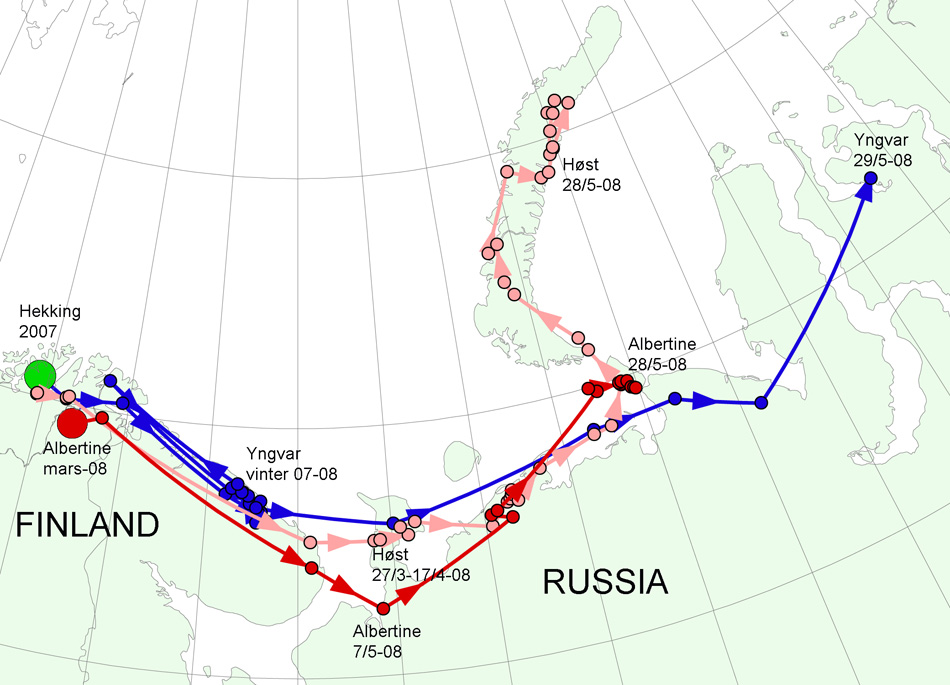
In July 2007, three adult Snowy Owls breeding in Finnmark in Northern Norway were equipped with satellite transmitters. Since then, these owls have covered vast distances in the Russian Arctic.
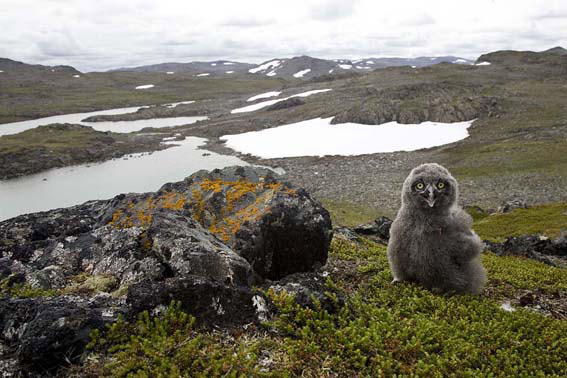
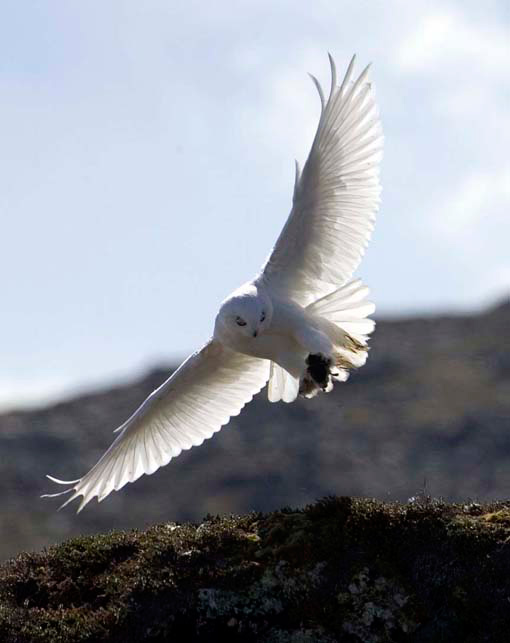
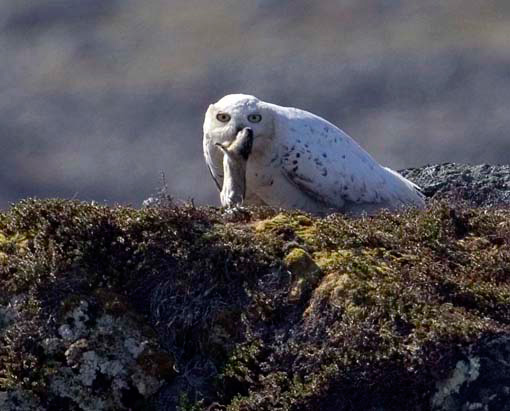

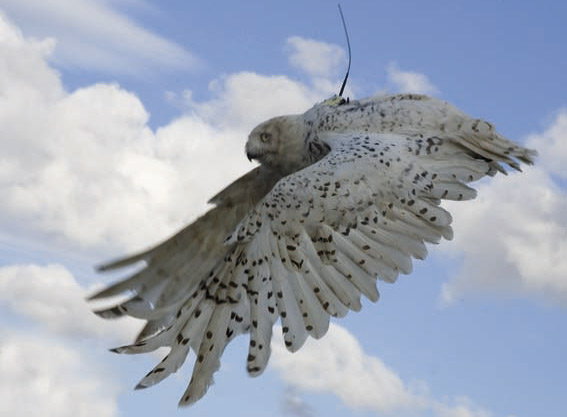
(Click on the images for larger versions and info)
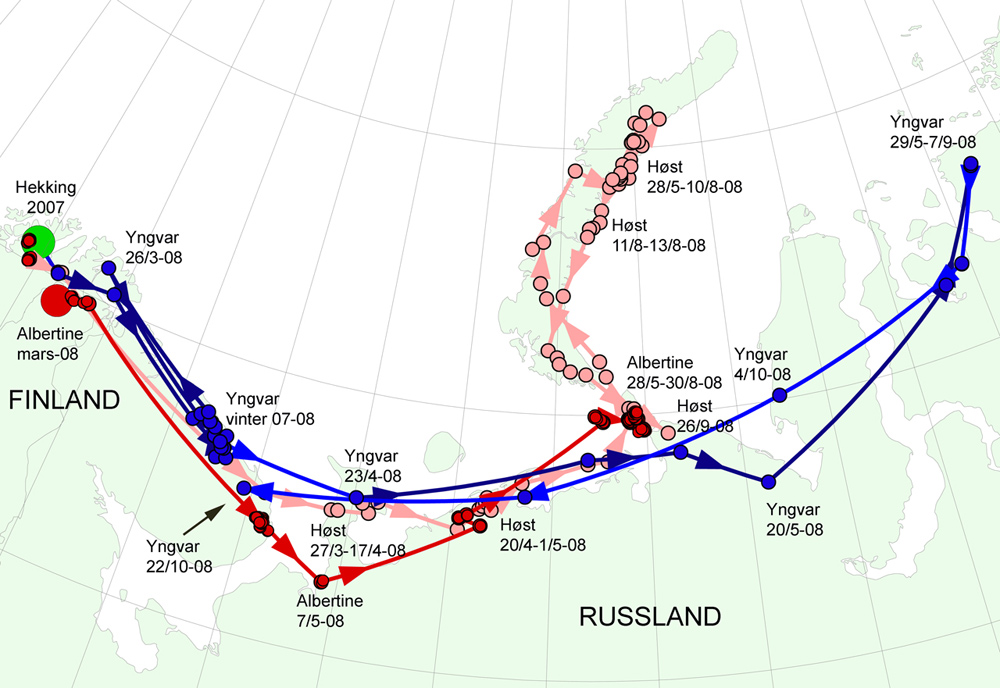
The Snowy Owls Albertine, Hoest and Yngvar (the first two are females, while Yngvar is a male) have already proven themselves many times over. They have revealed lots of new information on this elusive polar owl. The male Yngvar has used the same wintering grounds on Kola Peninsula during three consecutive winters. When the females have provided signals in late autumn and early spring, they too have been in the same area. The females´ transmitters are solar panel powered, and they shut down from mid September to February-March.
|
Video from Snowy Owl workshop in Saskatoon, Canada February 2010. |
Snowy owls are the largest raptors of the high Arctic. They have specialized on a diet of lemmings and other rodents, but when food get scarce, they may even hunt big birds. However, to start breeding they need rodents, and when they are not to be found, the Snowy Owls may migrate thousands of kilometres to find their preferred prey.
Snowy owls equipped with satellite transmitters in 1999 in Barrow, Alaska, crossed the Bering Strait the following autumn and spent the next summer along the Russian Arctic coast. One year later they were back in Arctic Canada! The three Snowy Owls Albertine, Hoest and Yngvar seem to have a similar pattern of east- and westward migration along the Russian Arctic, visiting Scandinavia when rodent populations peak. In summer 2008 Yngvar flew 2500 km east to the Taymyr peninsula, and spent the summer southeast of Dickson.
From spring 2010 onwards you have the possibility to follow the epic adventure of the Snowy Owls! Visit this web site and learn about Albertine, Hoest and Yngvar´s whereabouts. If you live in the far north, they may even come to a hunting field close to You!
Contact
|
From Nov. 2007 to the end of March 2008 Yngvar was located between Murmansk and the White Sea on the Kola Peninsula. On March 26. he was back in Finnmark in Northern Norway, most likely checking his breeding grounds of 2007. There were no voles or lemmings in 2008, and Yngvar headed back to Kola before pushing on 2500 km further east. He stopped when reaching the Taymyr Peninsula, SE of Dickson. In the beginning of Oct. he started his journey westwards again. On Oct. 4. he sent signals from the west coast of Yamal, and as early as Oct. 22. he was back on Kola Peninsula. There he stayed during the winter months. Host started transmitting in March, from the easternmost point of Kola Peninsula. She flew to the northeast of Novaya Zemlya, where she stayed for the summer. During August she flew south to the mainland. On Sept. 26. her last signals for summer were received from the mainland south of Vaygach Island. Albertine started transmitting from northern Finland, before heading east. She stayed during summer on Vaygach Island, where her last signals were received on August 30.
|
The Snowy Owl satellite tracking is a cooperation project between:
- Agder Museum of Natural History & Botanical Garden, Roar Solheim

- Norwegian Institute for Nature Research, Karl-Otto Jacobsen
- Norwegian Ornithological Society, Ingar Jostein Øien
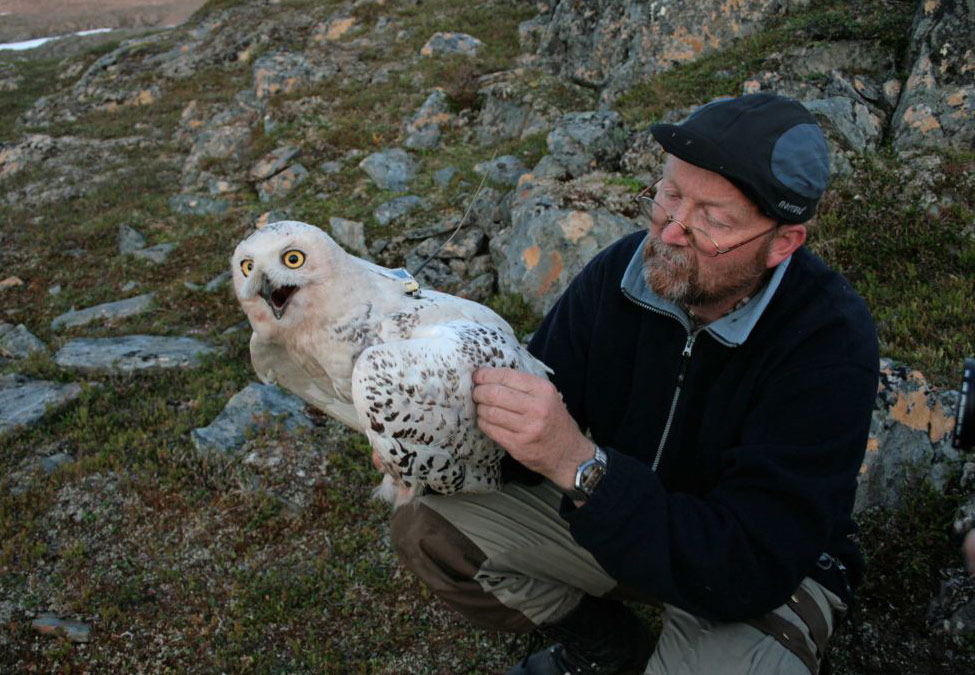
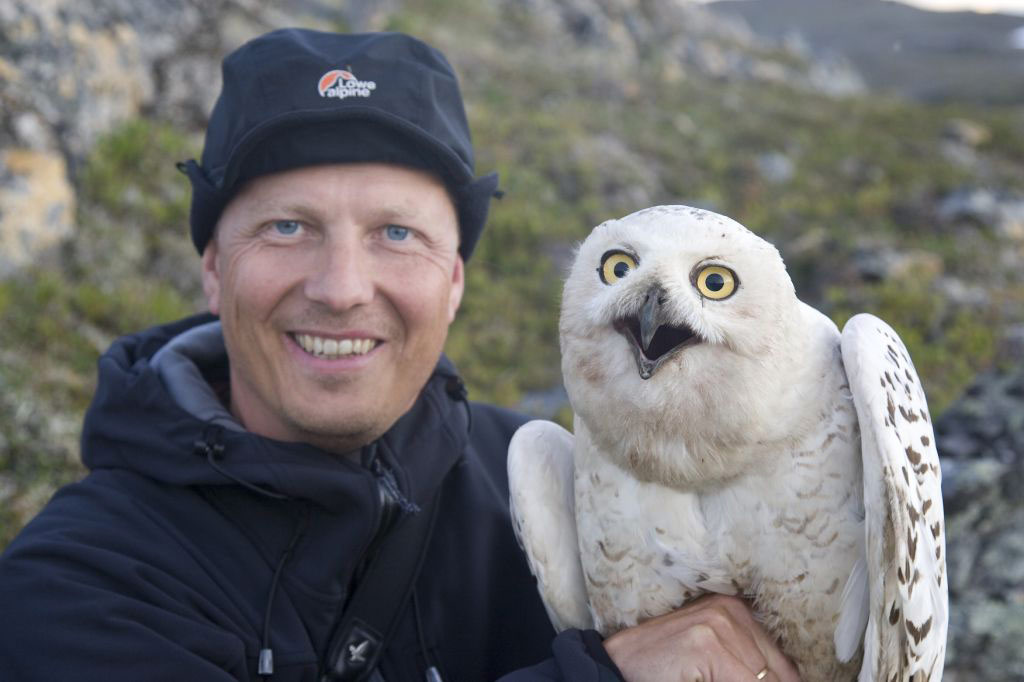
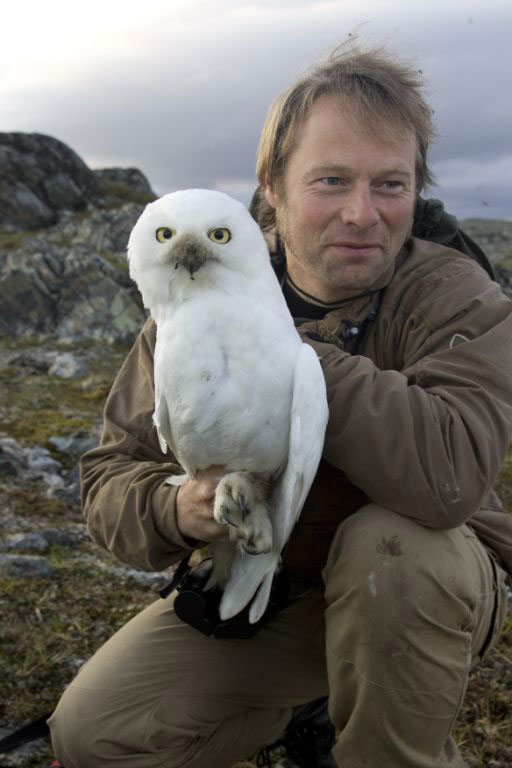
The snowy Owl project receives economical support from Norwegian Ornithological Societys Snowy Owl Grant, Directorate for nature management, The County Governors in Nord-Trøndelag, Nordland and Troms.
More about the Snowy Owl project in Norwegian
- The Snowy Owls movements continue NEW!
- Migratory pattern and habitat selection NEW!
- The movements of three Snowy Owls
- The occurrence of Snowy Owls in Norway
- The Snowy Owl Albertine is on the air!
- The first Norwegian Snowy Owls with satellite transmitters